Oriental Rugs Dictionary
Ottoman Carpets
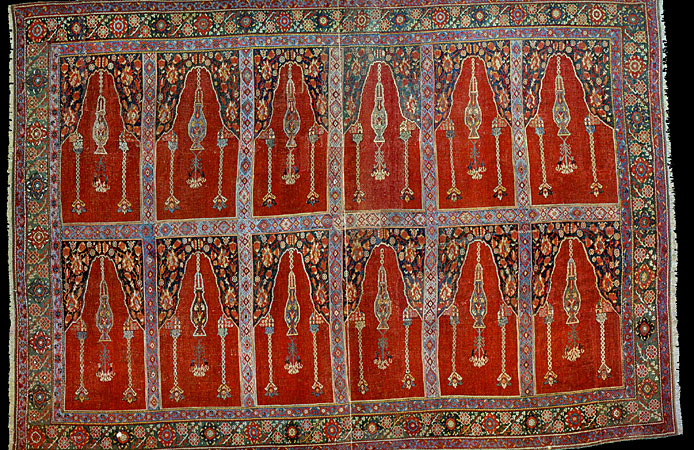
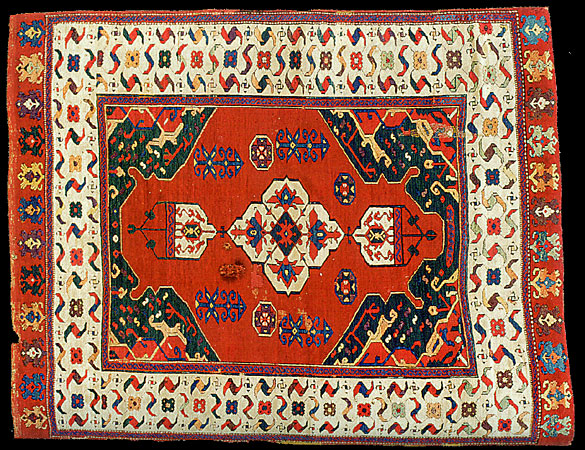
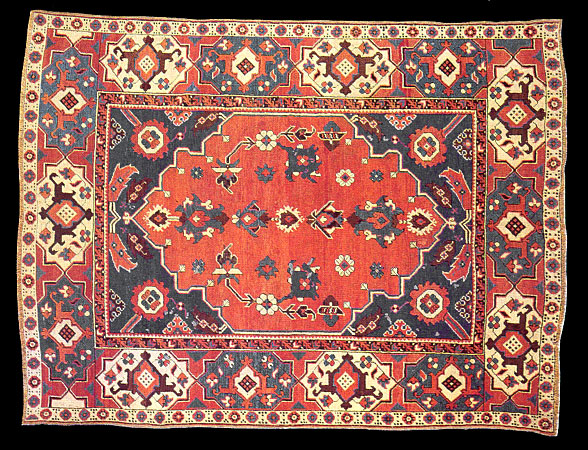
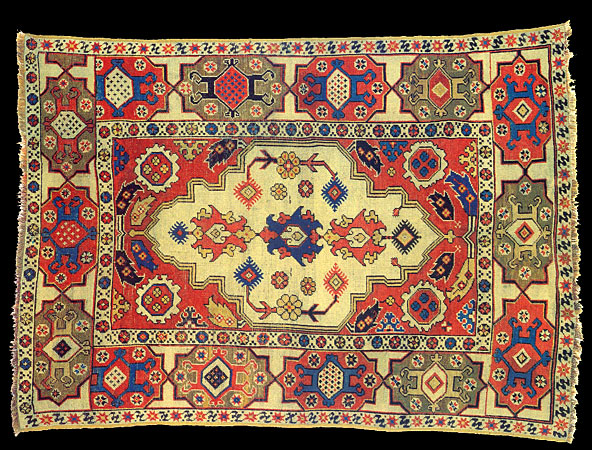
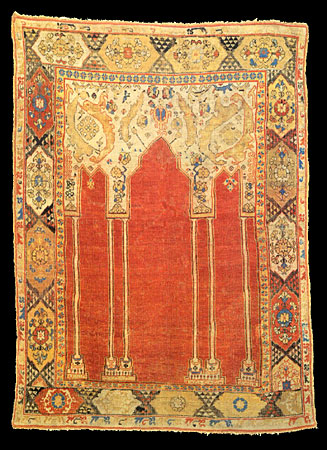
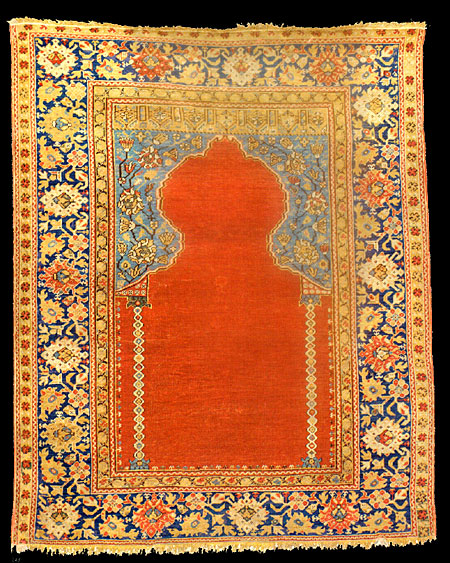
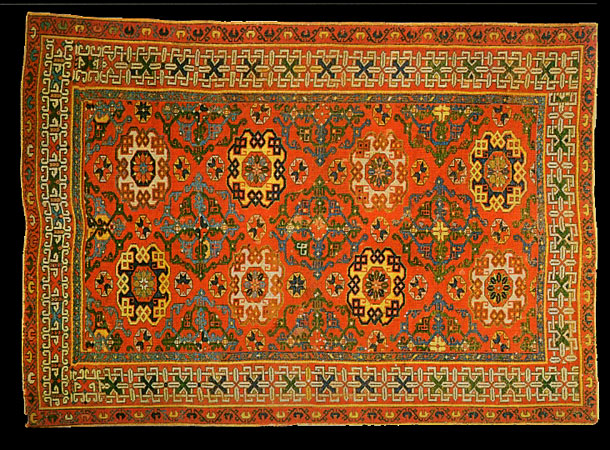
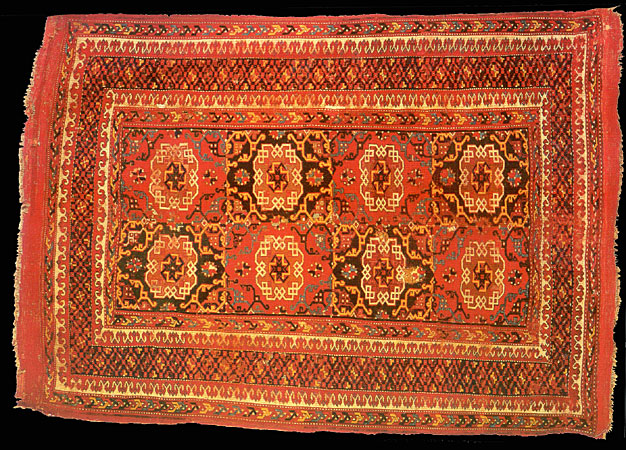
Ottoman carpets are rugs produced during the Ottoman Empire (14th–early 20th centuries), primarily in Anatolia (modern-day Turkey).
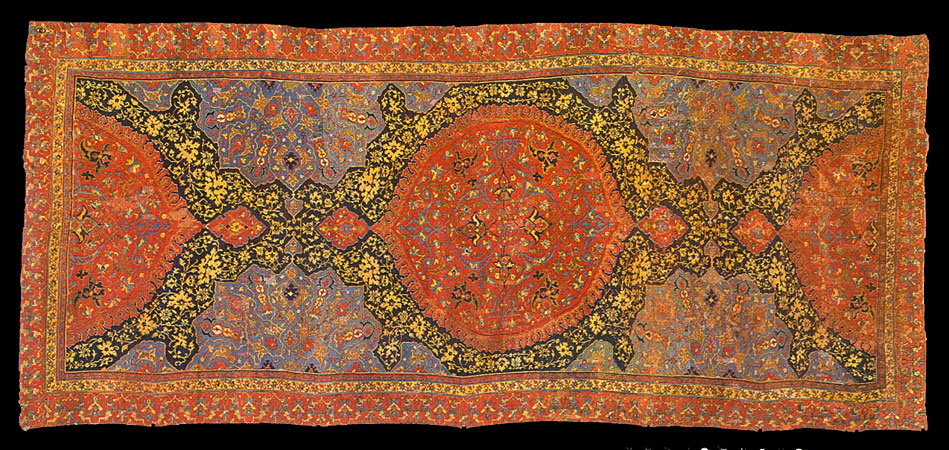
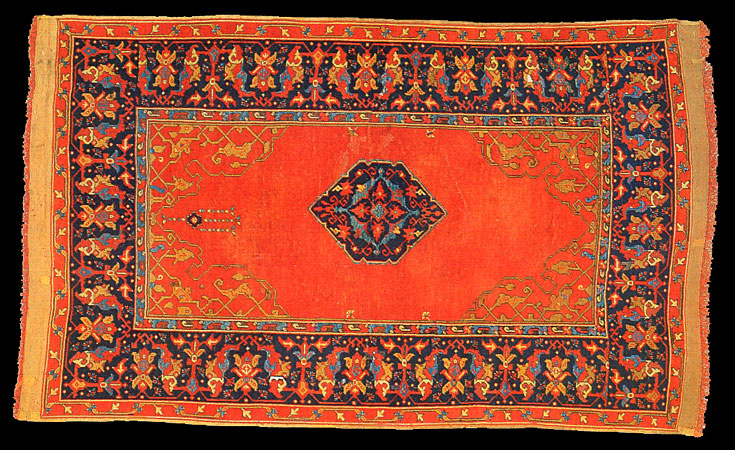
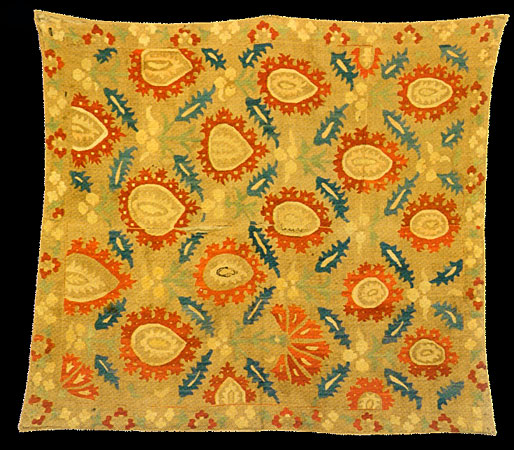
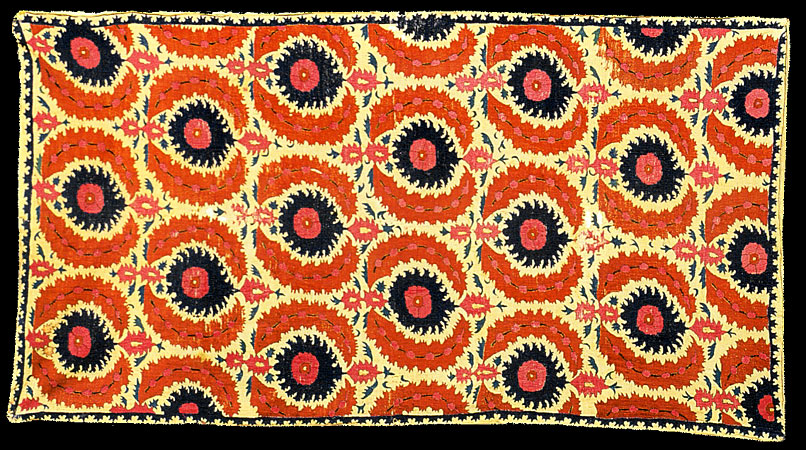
These carpets include both court and village productions, with designs ranging from highly refined floral compositions to bold geometric patterns. Ottoman carpets often reflect influences from Islamic art, Persian design, and local Anatolian traditions.
They are among the most historically significant carpets in the development of oriental rug design.
When the Ottomans conquered Egypt they found in Mamluk workshops sate controlled commercial establishment whose products were more finely woven than the West Anatolian rugs of the time.
In the year 1585 the Ottoman sultan Murad III ordered eleven weavers fro Cairo to move to the court of Istanbul, bringing with them 2 tons of dyed wool. Carpets with Ottoman court designs were woven over a considerable period, and among them are examples quite definitely of commercial quality, as well as others that may well have been woven for use among the Ottoman ruling classes. These carpets exercised a profound effect on commercial and even on village rugs, their serious curvilinear designs capturing the imagination of weavers from all parts of Ottoman society.