Oriental Rugs Dictionary
Kerman
Kerman is one of the most important Persian carpet-weaving centers, located in southeastern Iran.
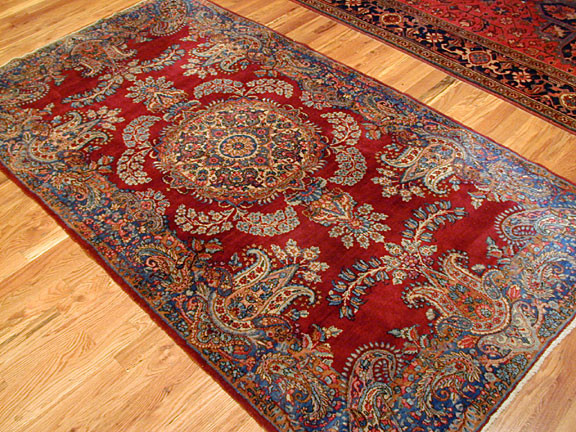
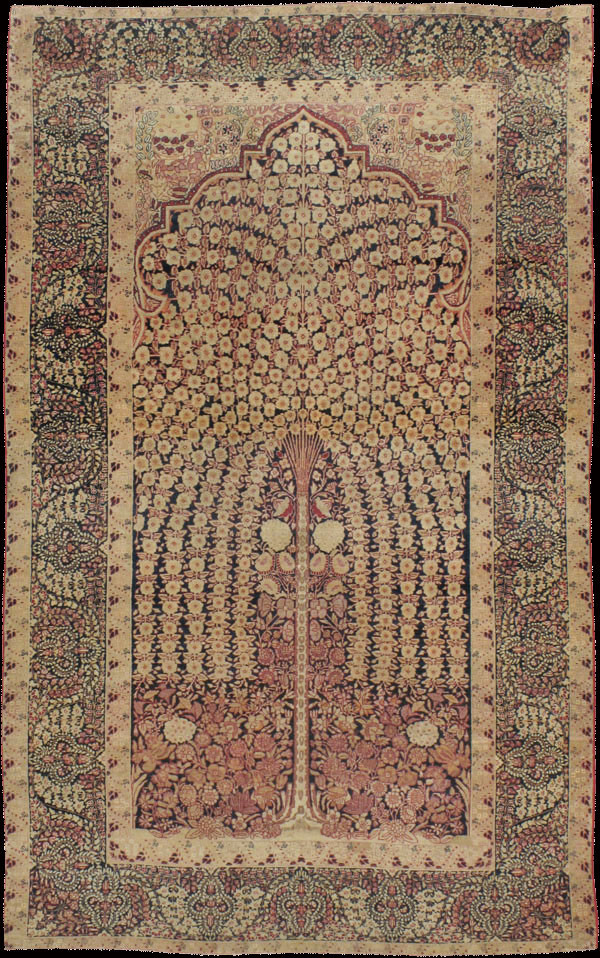
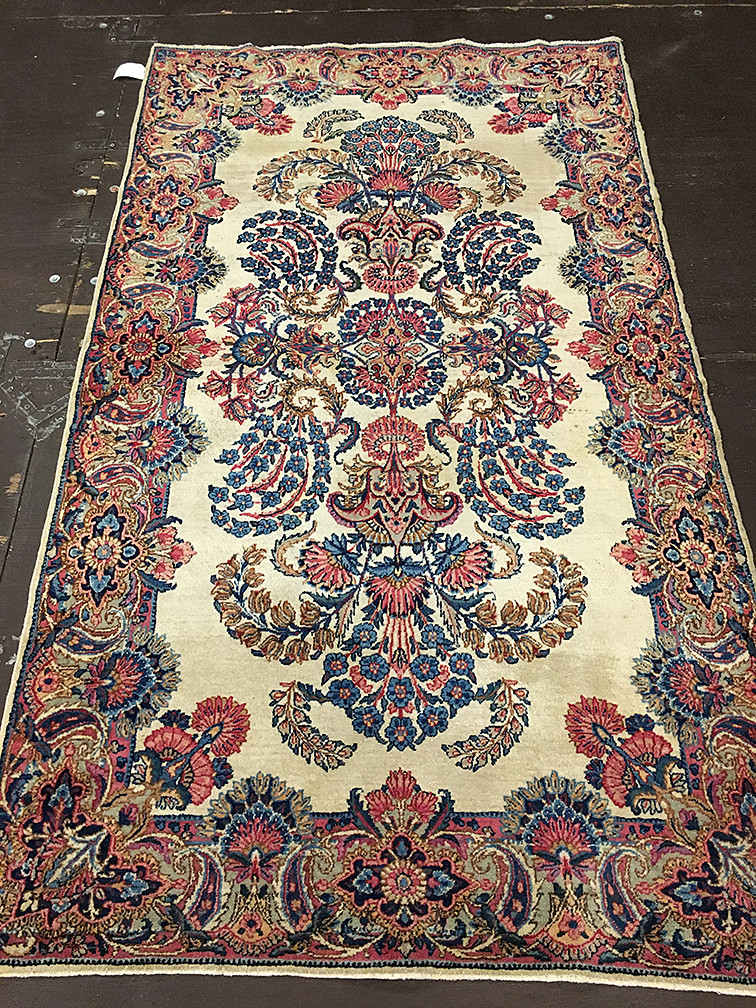
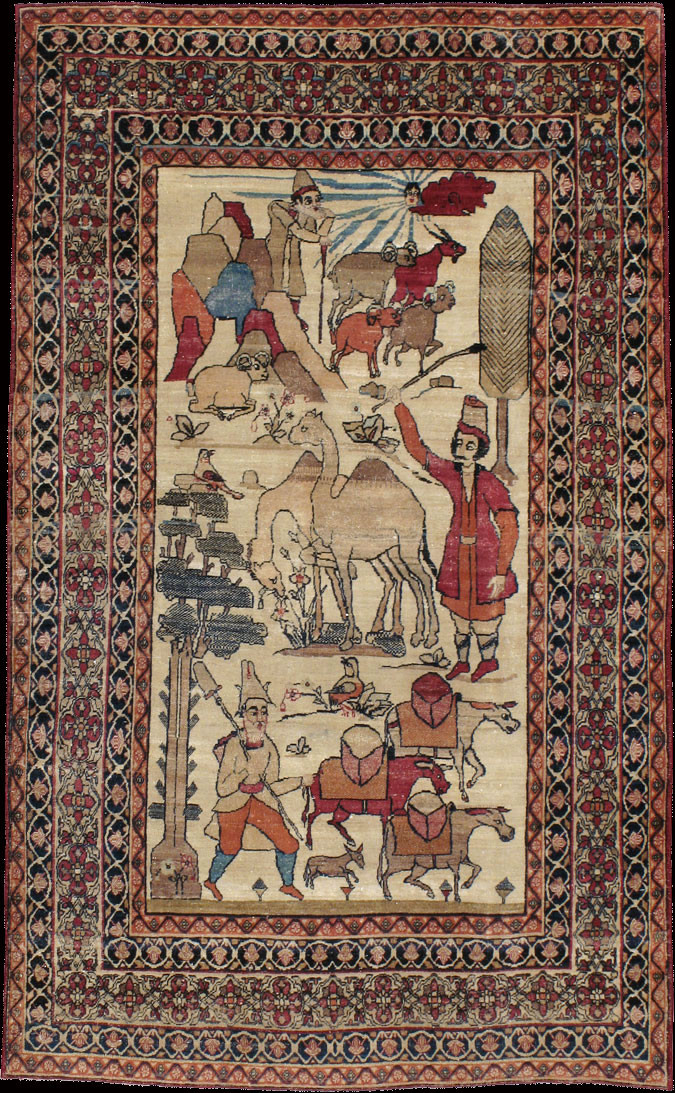
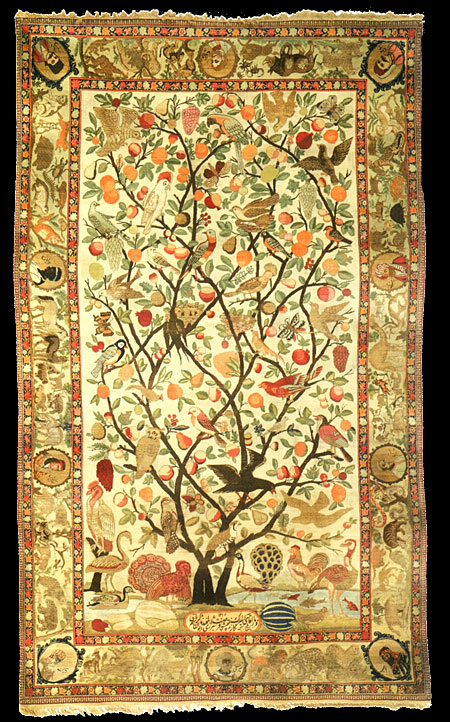
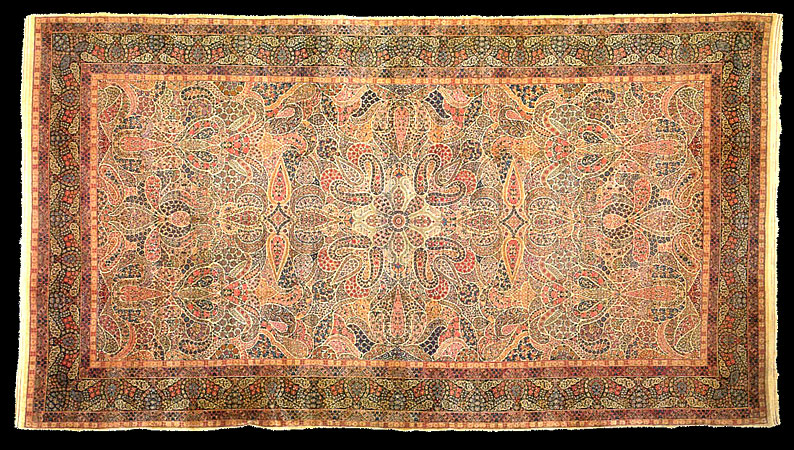
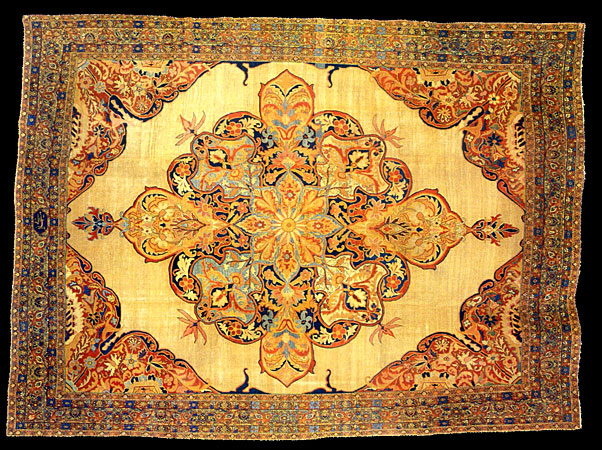
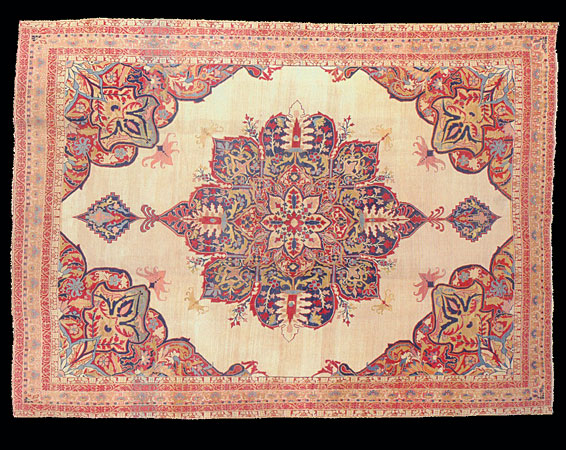
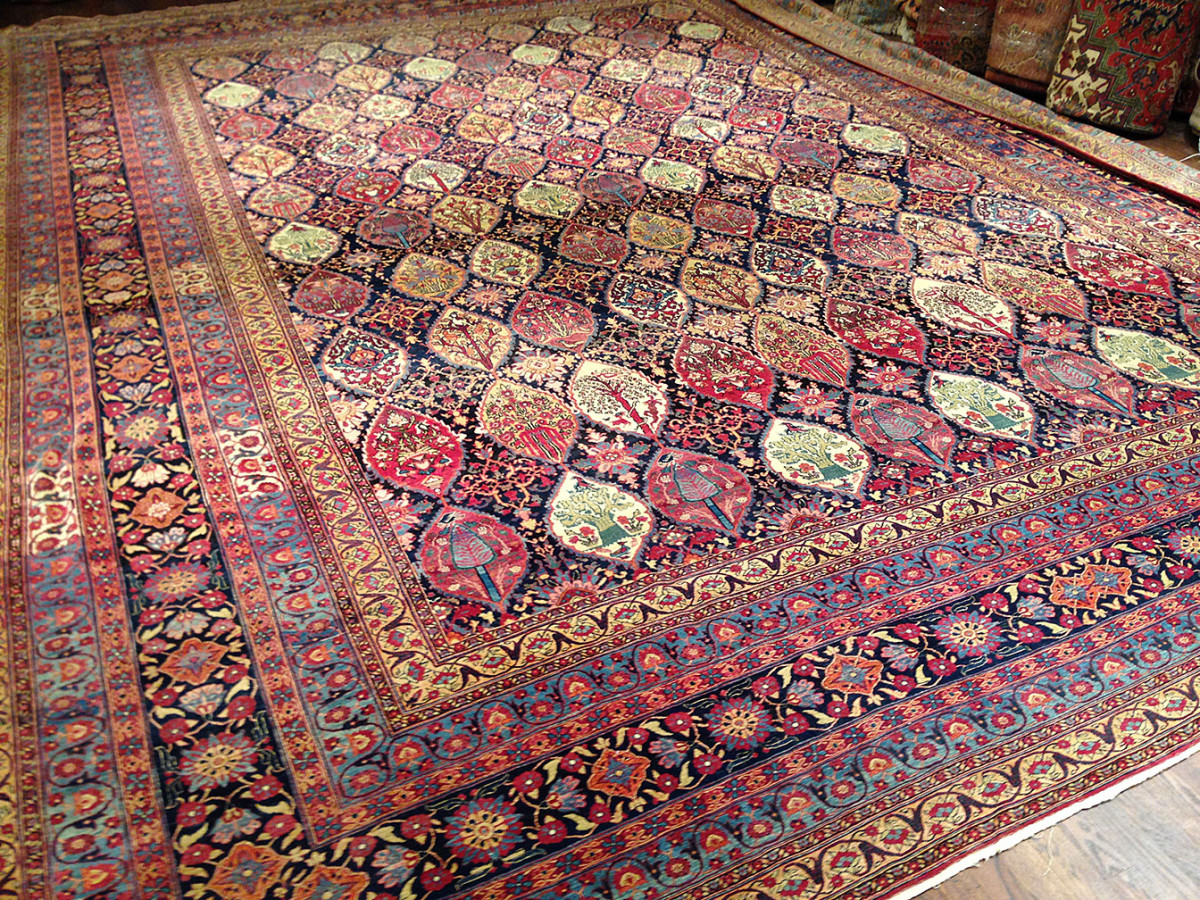
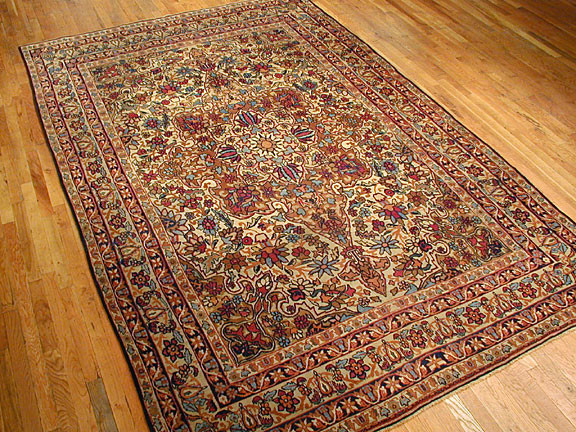
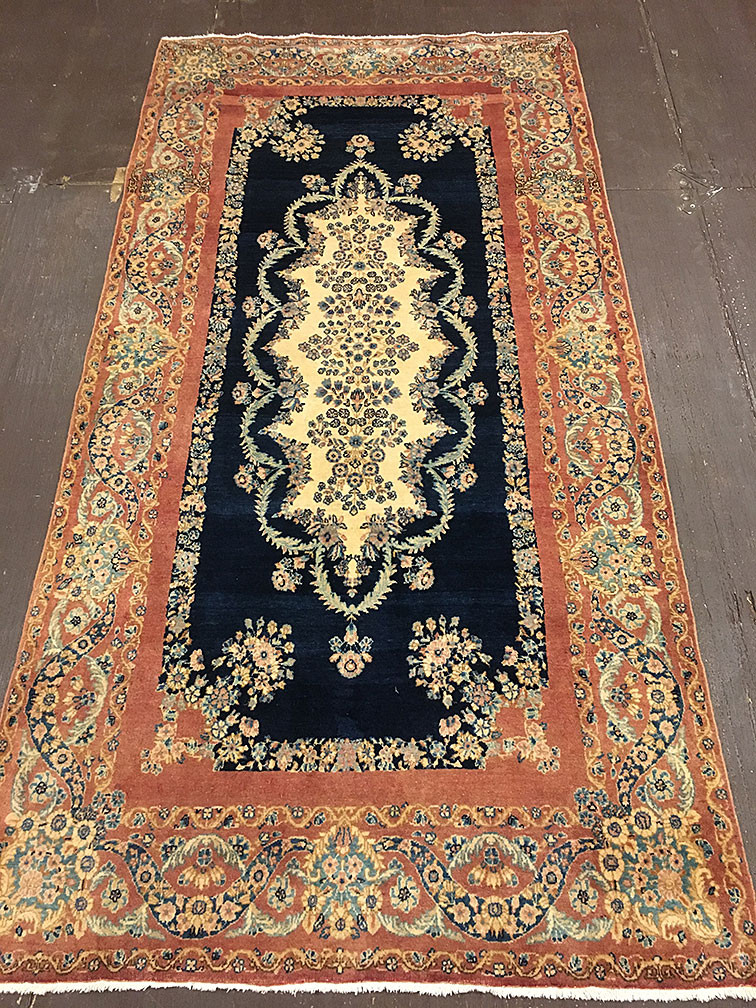
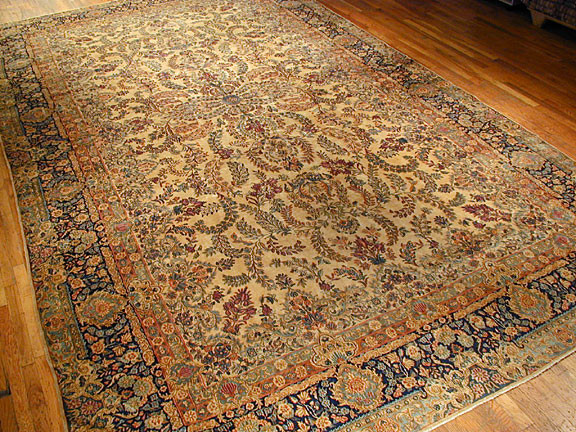
Kerman carpets are known for their fine craftsmanship, elaborate floral designs, and rich color palettes, often featuring medallions, all-over patterns, or pictorial scenes. Many examples from the 19th century were produced for export and are highly regarded for their artistic quality.
Kerman rugs represent one of the most diverse and refined traditions in Persian carpet weaving.
The city of Kirman is located in the southeastern part of Iran. Kirman has been a celebrated center of workshop weaving since the Safavid era. As with many other weaving centers in Persia, production was reintroduced to Kirman in the late 19th Century, with emphasis on making carpets and rugs of curvilinear design. In this barren desert no flowers will grow, and so the weavers covered their carpets with beautiful and intricate floral patterns in a wide variety of designs. The borders were often decorated with patterns similar to those used in the main body of the carpet. Kirman became one of the most important carpet-weaving areas with a consistently high reputation for technical quality and imaginative designs. By the turn of the 20th Century Kirman carpets were among the finest and most expensive of all Persian weavings, and by 1920 many British and American companies had offices in Kirman.
A crucial factor in this success was the presence of skilled weavers and designers, who had worked on the production of fine multicolored wool shawls woven in intricate, subtle, and colorful designs based on the floral-cone motif. As the shawl industry declined and demand for carpets increased these craftsmen quickly learned to adapt their skills.
.jpg)