Oriental Rugs Dictionary
Buccleuch European Carpets
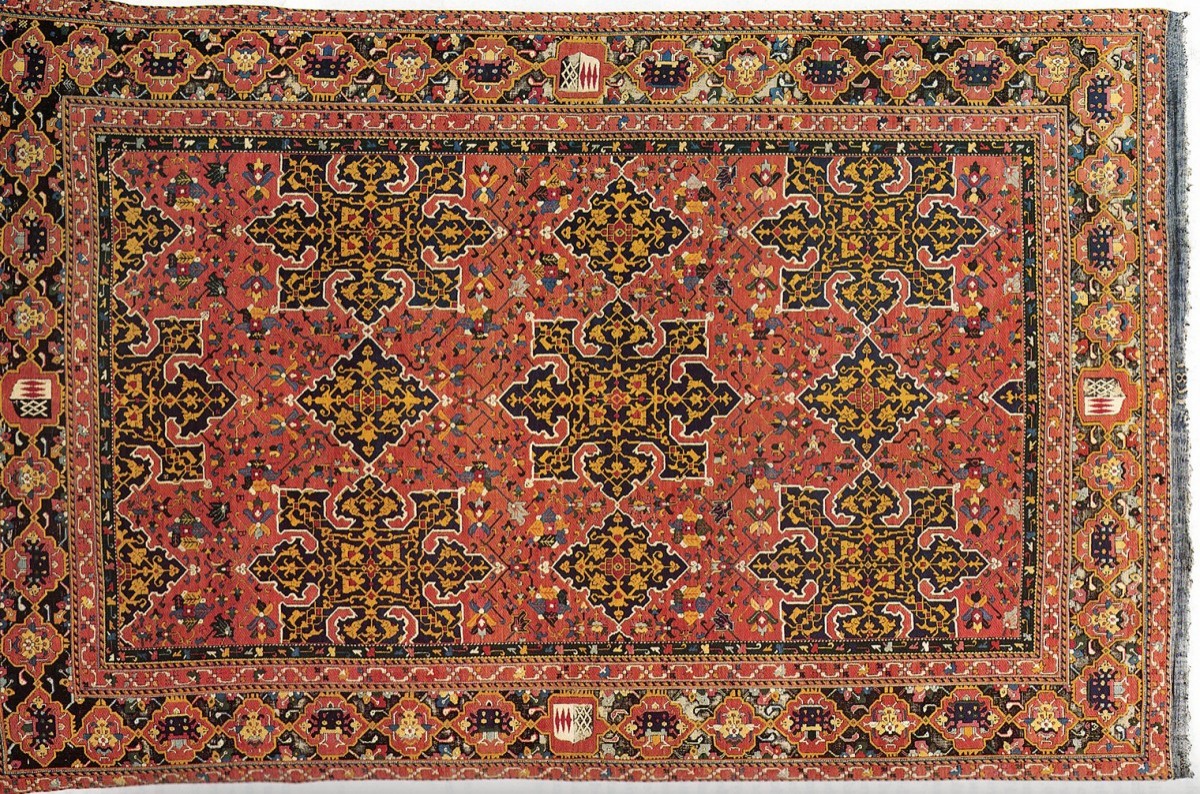
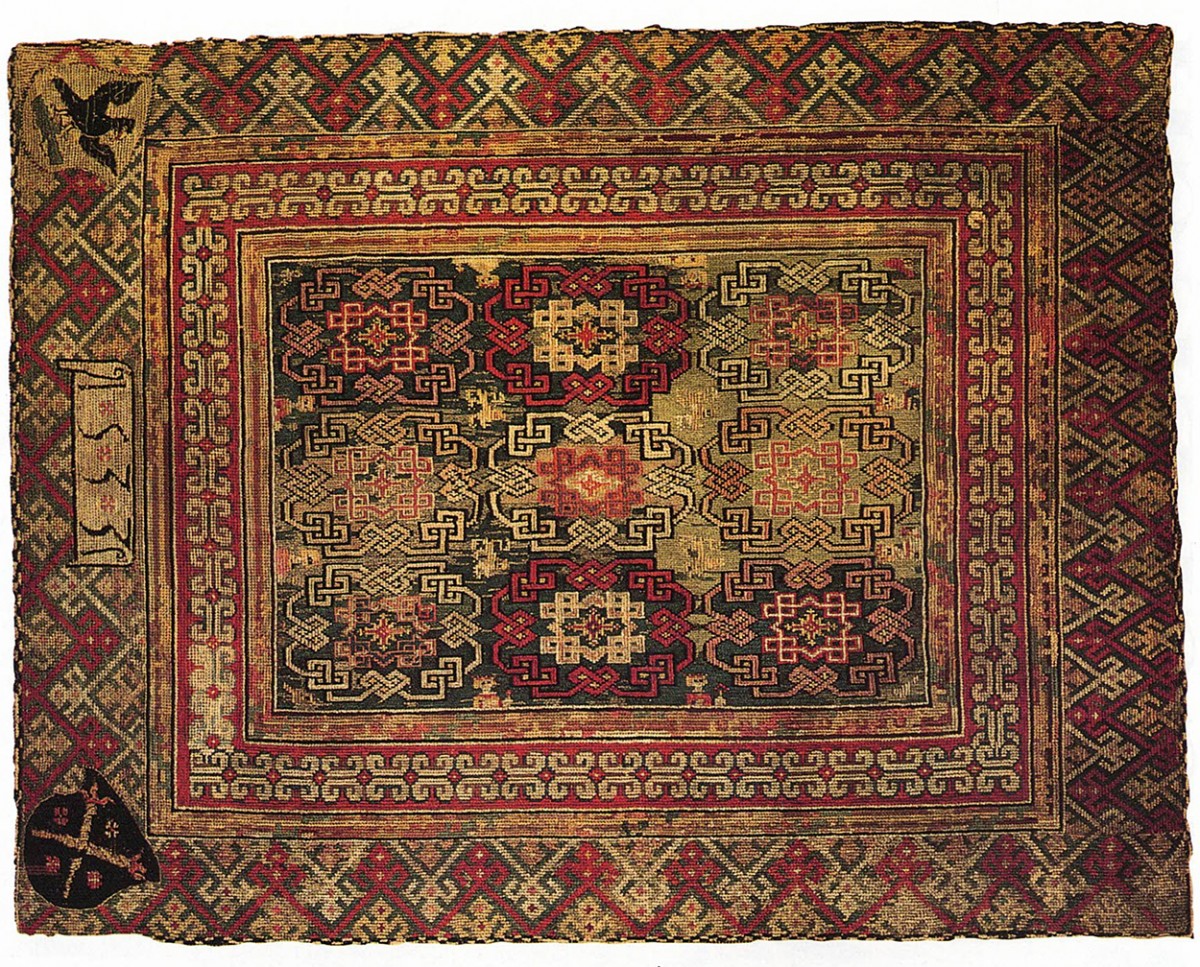
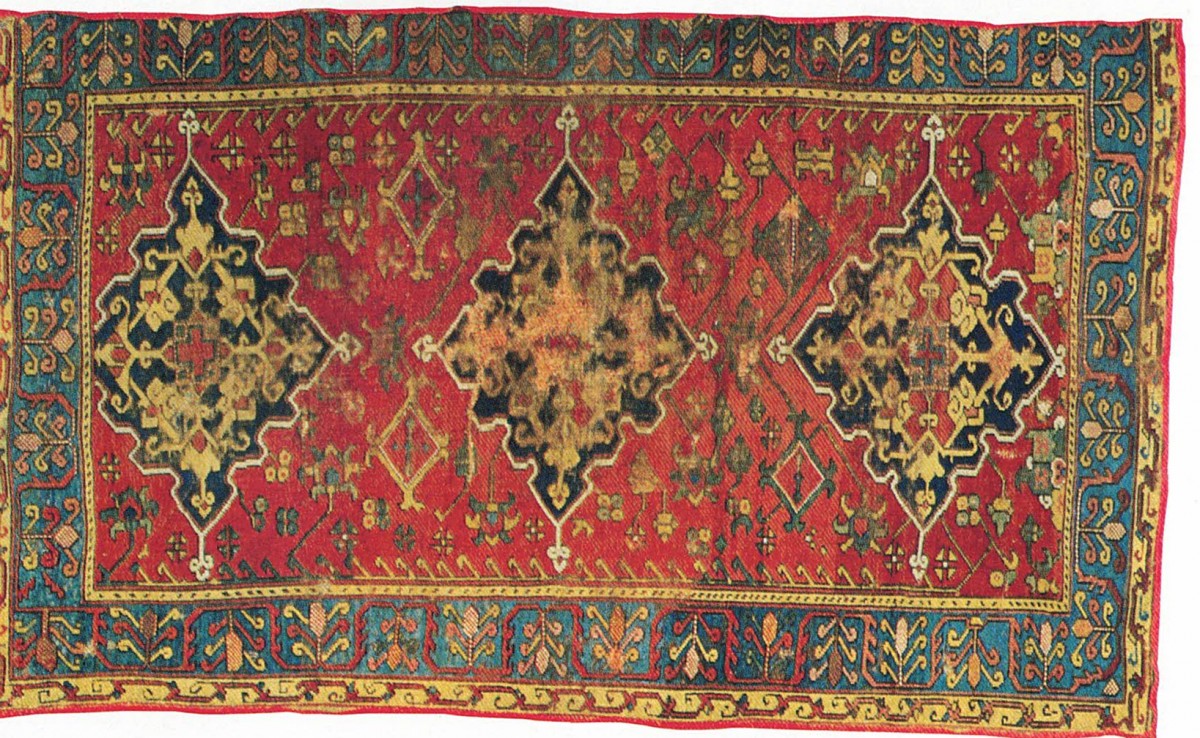
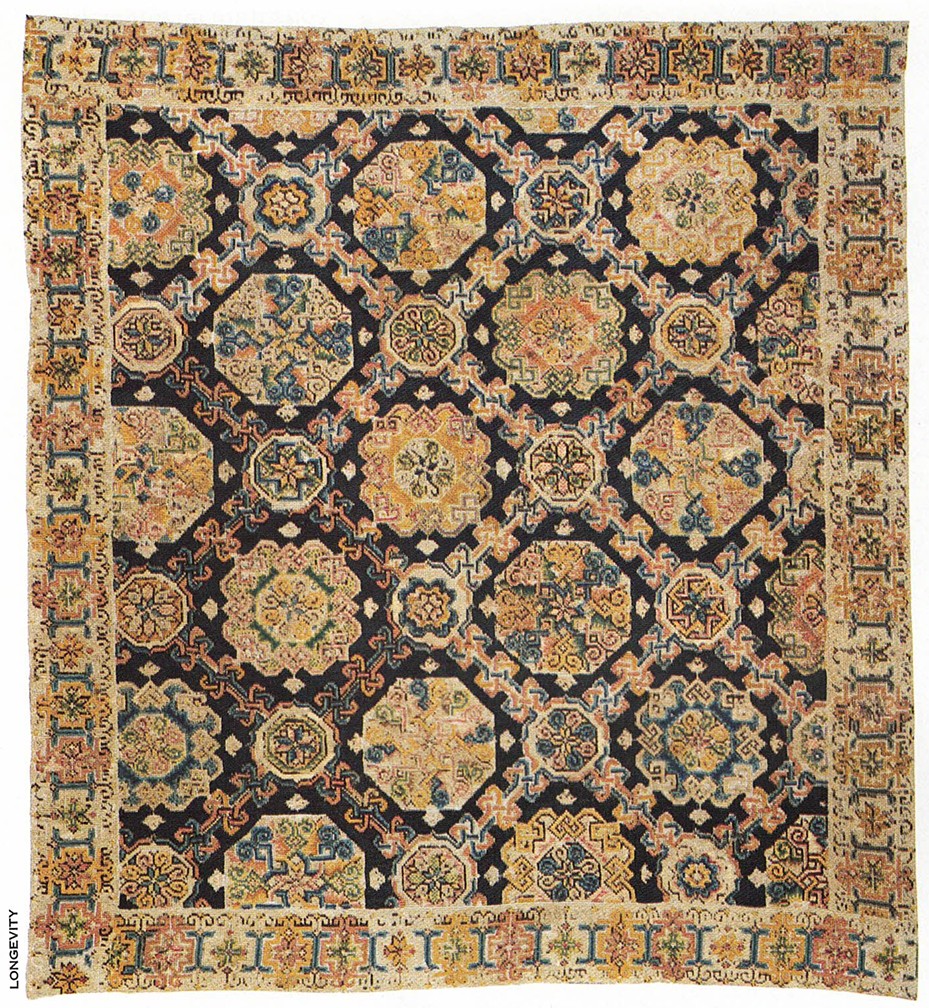
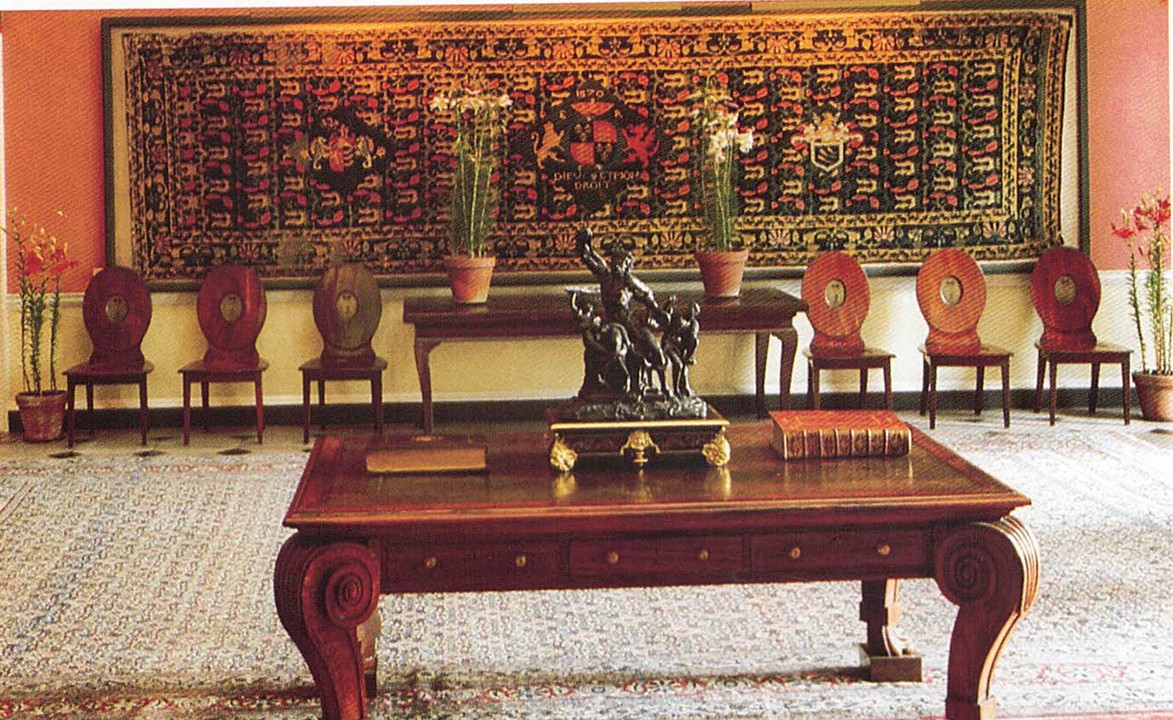
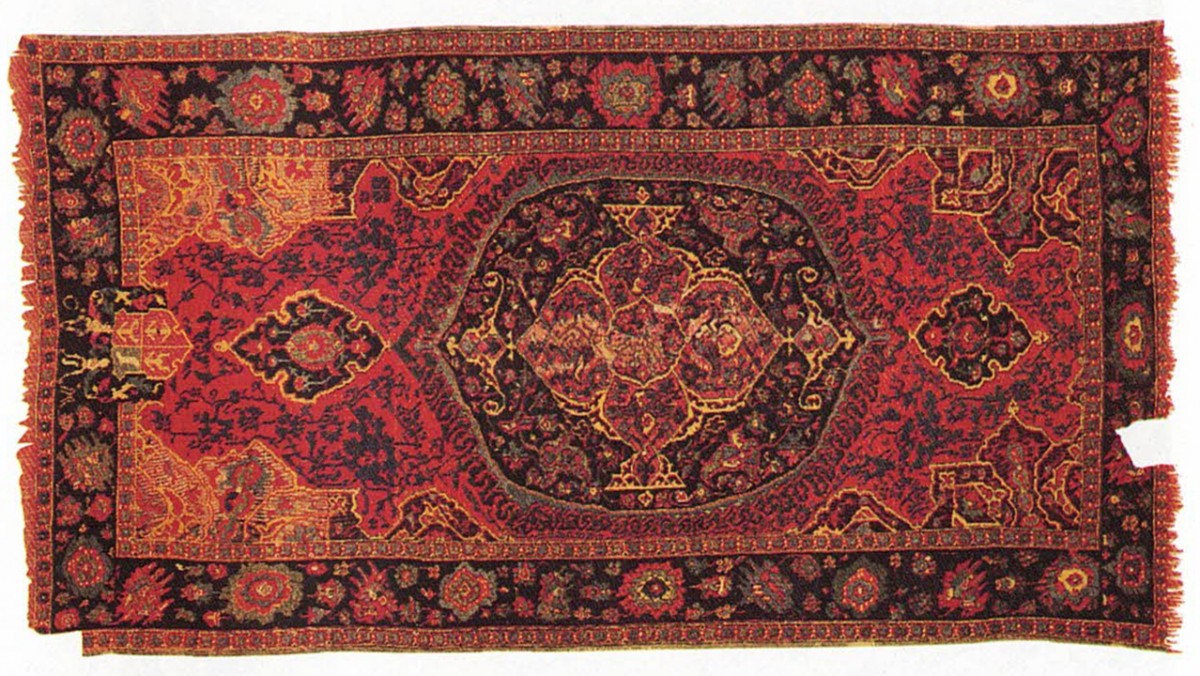
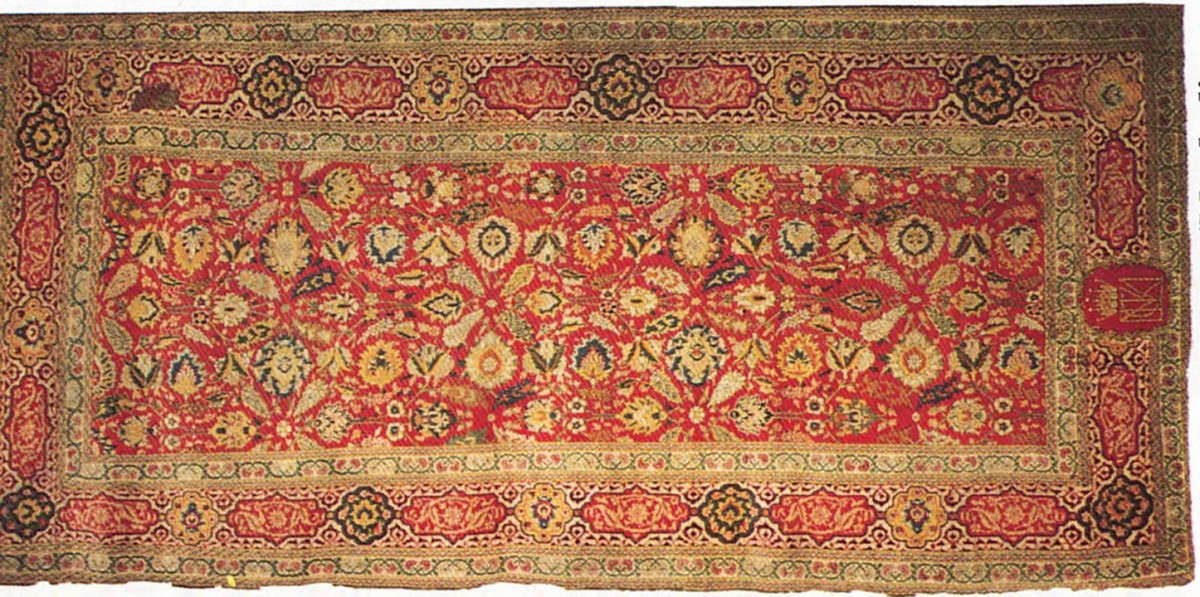
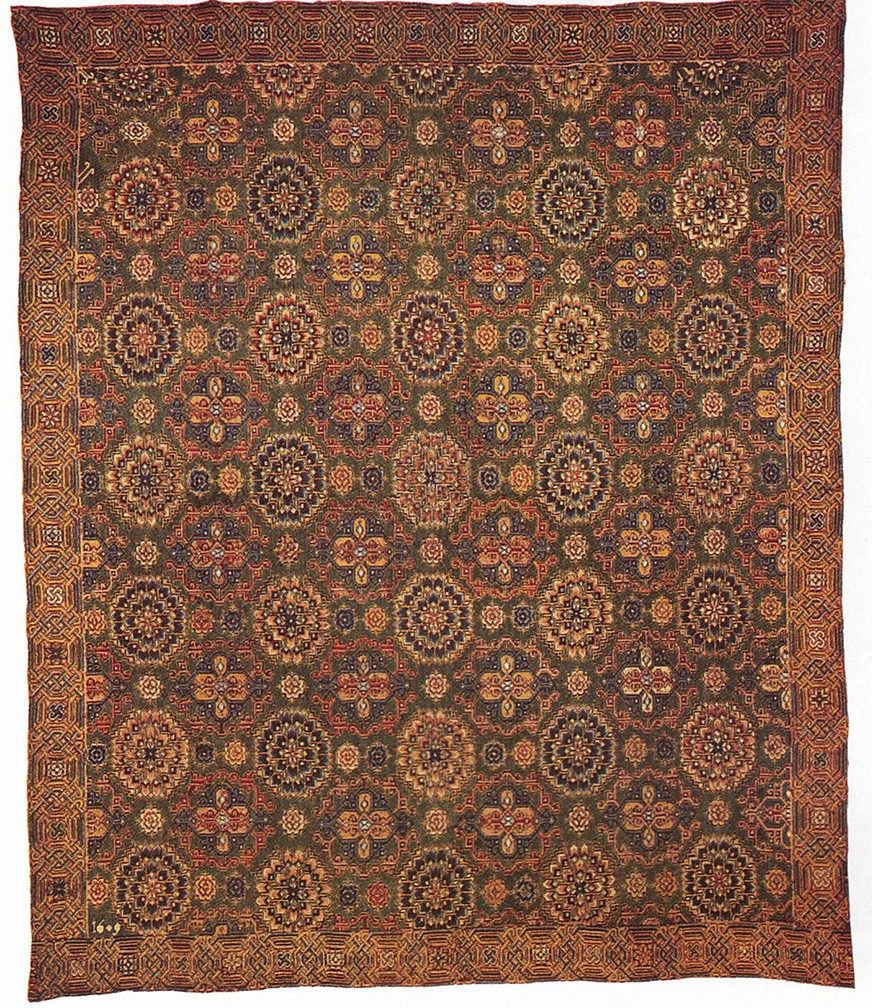
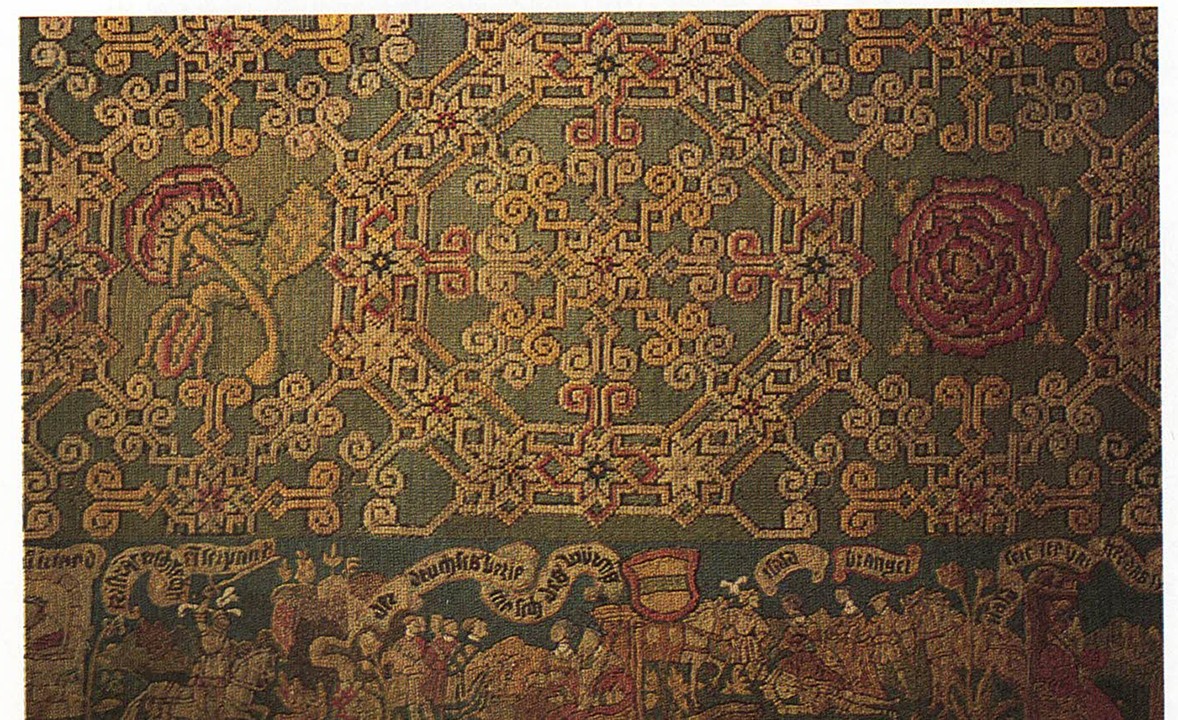
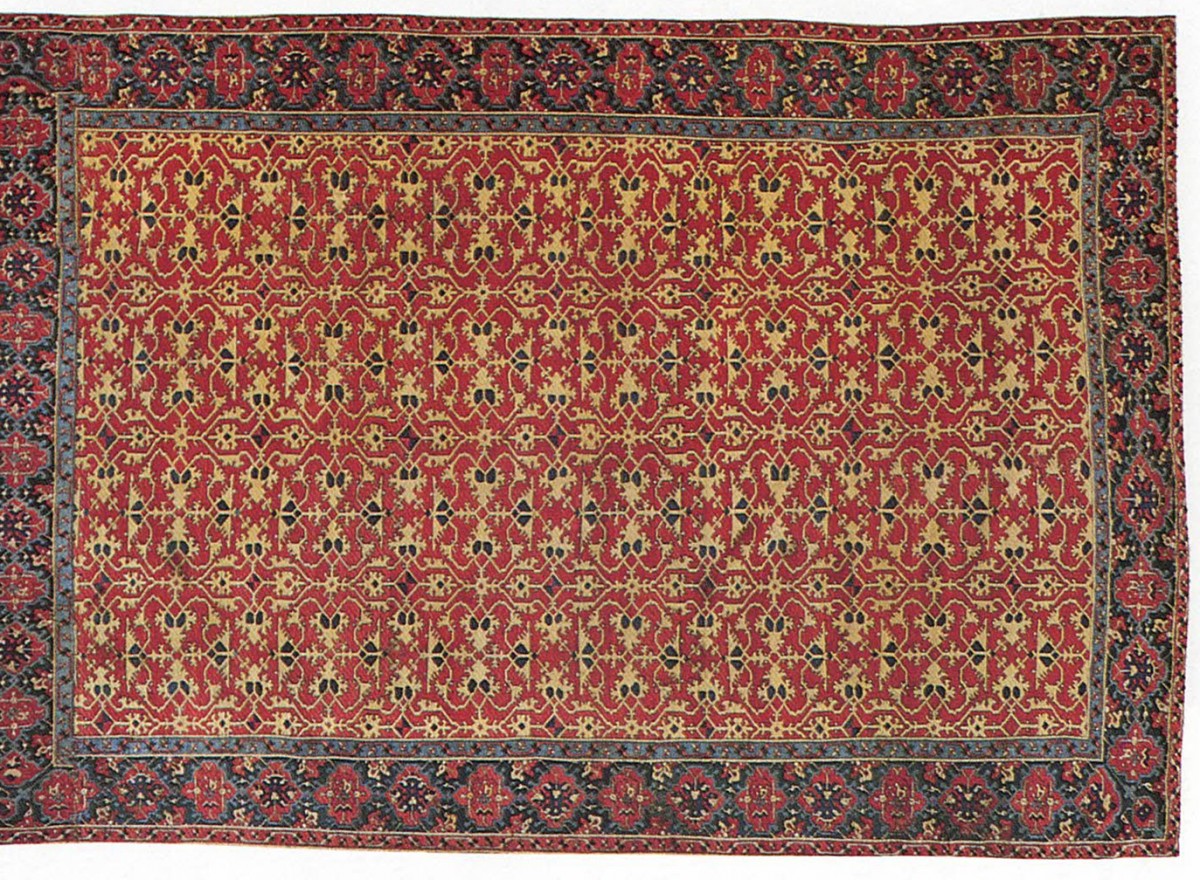
The Buccleuch European Carpets refer to a group of historic carpets preserved in the collection of the Dukes of Buccleuch, one of the oldest noble families in Scotland. These carpets are significant examples of early European carpet collecting, reflecting the aristocratic interest in oriental and European textiles during the 17th and 18th centuries. Many pieces in the Buccleuch collection illustrate the influence of oriental carpet designs on European weaving traditions. The collection has been studied by scholars because it helps document the history of carpet collecting in Europe and the role of noble families in preserving important textile works. Boughton House, Near Kettering in Northamptoshire, is the family seat of the Dukes of Buccleuch and Queensberry. One of the great houses of England, its contents include a wealth of furniture, silver, paintings, tapestries and other works of art, acquired by succeding genarations of the Montogu Douglas Scott family since the 16 Century. The house is also home to 18 knotted pile carpets, 14 of them well-known types of Ottoman Turkish, Safavid Persian and Mugal Indian weaving. Of particular interest, however, are the remaining 4 carpets with designs closely based on Anatolian star Oushak and Lotto arabesque models, but embllished with heraldic devices linking them to the family in 3 instances and in 2 cases, with inwoven dates. These are undoubtedly of late 16 Century European manufacture, and have traditionally been thought to have made either in England or Flanders.